remembering resistance
  • Home
  • About Us
  • 100 years
    • Virtual Museum
    • Oral Histories
    • Timeline
    • Map
    • Collections
    • Stories
    • Exhibition
    • Make a difference
  • Mobilise!
    • Active Citizenship
    • Community
      • Community 2
      • Community 3
      • Community 4
      • Community 5
    • Rights in Policy
      • Rights in Policy 2
      • Rights in Policy 3
      • Rights in Policy 4
      • Rights in Policy 5
    • Rights in Practice
      • Rights in Practice 2
      • Rights in Practice 3
      • Rights in Practice 4
      • Rights in Practice 5
    • Methods
      • Methods 2
      • Methods 3
      • Methods 4
      • Methods 5
    • Glossary
  • Events
    • Activism by Numbers
    • RR2019 Exhibition
    • RR@PHM
  • Resources
  • Blog
  • Research
    • India
  • Contact
  • Home
  • About Us
  • 100 years
    • Virtual Museum
    • Oral Histories
    • Timeline
    • Map
    • Collections
    • Stories
    • Exhibition
    • Make a difference
  • Mobilise!
    • Active Citizenship
    • Community
      • Community 2
      • Community 3
      • Community 4
      • Community 5
    • Rights in Policy
      • Rights in Policy 2
      • Rights in Policy 3
      • Rights in Policy 4
      • Rights in Policy 5
    • Rights in Practice
      • Rights in Practice 2
      • Rights in Practice 3
      • Rights in Practice 4
      • Rights in Practice 5
    • Methods
      • Methods 2
      • Methods 3
      • Methods 4
      • Methods 5
    • Glossary
  • Events
    • Activism by Numbers
    • RR2019 Exhibition
    • RR@PHM
  • Resources
  • Blog
  • Research
    • India
  • Contact
Search

community & solidarity 5

what  can  we  learn  from  the stories we  have  heard?

In this unit, we've learned about a number of campaigns and communities. The stories of the Lancashire Nanas and Irma Daems show what can happen when people come together to try and bring about change and make life better for others. They show how people gathered the things they needed to start a campaign and how they built connections between different people. They provide examples of how people keep going when things get difficult, and how they tried to have fun through their campaigning, and in the process built new communities of friends and networks of solidarity. 

activity 1


In this activity, think about the stories you've heard in the unit and try and answer the questions about how communities can come together to bring about change.

Picture

COLLECT  WHAT  YOU  NEED

Strong campaigns need different kinds of resources, like money, skills, and people
What resources do you think are important?
Where might you find them?
Picture

create  connections 

Finding other people who share your feelings can start new campaigns and strengthen existing ones
How can campaigns create new connections between people?

Picture

keep  going

Sometimes, it's difficult to keep your energy or motivation up when things aren't going well
What might help people keep going when campaigning gets difficult?
Picture

try  and  make  it  fun

Even though the issues might be important, campaigning doesn't always have to be serious
​Why is it important to make campaigning fun?
How might you make it more enjoyable?

activity 2


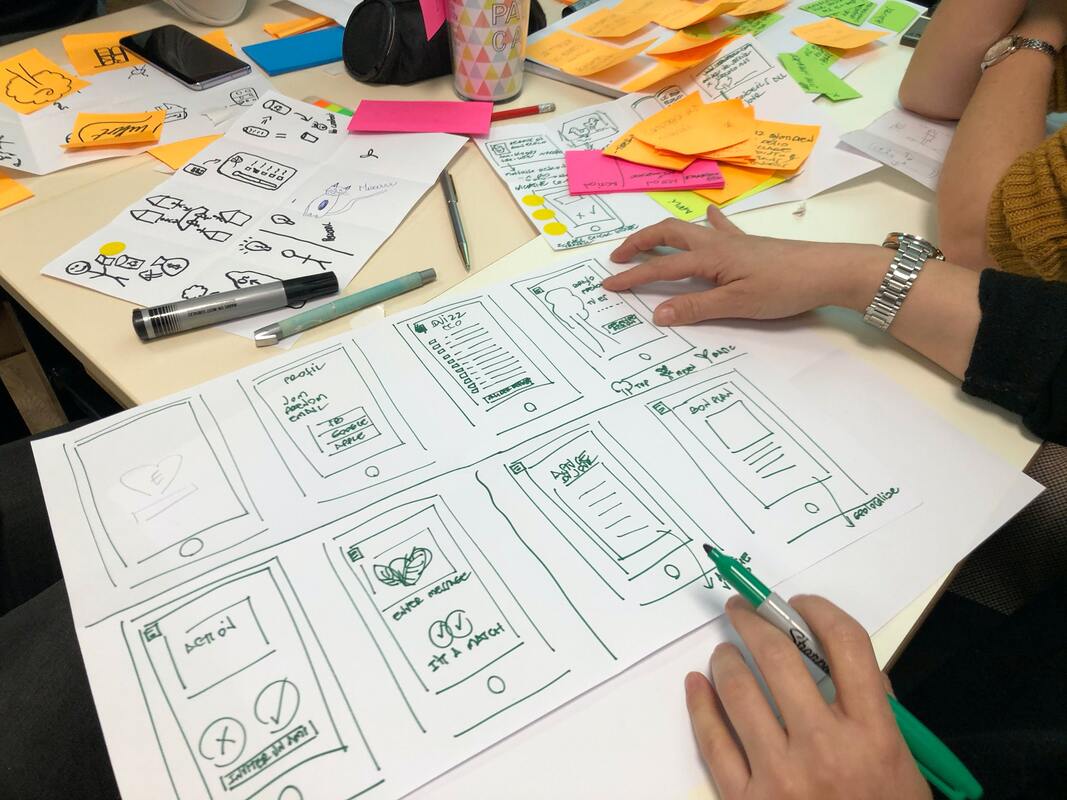
Walk around your neighbourhood and think about what you like and do not like about where you live.
EITHER use your phone to record the sounds of your community as you walk
​OR write down when you get home what you saw and heard.
  

Picture

activity 3


Picture
Think about these questions and chat to your friends or family about them:
  • What makes you feel part of a community?  
  • What would you change about your community?  
  • What groups can you join in your area? ​

Go to the next unit,   Rights  in   Policy
© COPYRIGHT 2015. ALL RIGHTS RESERVED.
  • Home
  • About Us
  • 100 years
    • Virtual Museum
    • Oral Histories
    • Timeline
    • Map
    • Collections
    • Stories
    • Exhibition
    • Make a difference
  • Mobilise!
    • Active Citizenship
    • Community
      • Community 2
      • Community 3
      • Community 4
      • Community 5
    • Rights in Policy
      • Rights in Policy 2
      • Rights in Policy 3
      • Rights in Policy 4
      • Rights in Policy 5
    • Rights in Practice
      • Rights in Practice 2
      • Rights in Practice 3
      • Rights in Practice 4
      • Rights in Practice 5
    • Methods
      • Methods 2
      • Methods 3
      • Methods 4
      • Methods 5
    • Glossary
  • Events
    • Activism by Numbers
    • RR2019 Exhibition
    • RR@PHM
  • Resources
  • Blog
  • Research
    • India
  • Contact